

The toddler years are filled with curiosity, rapid development, and endless opportunities for learning. At age two, children are exploring the world through their senses, developing language skills, improving motor coordination, and beginning to understand basic concepts like colors, shapes, and numbers. The best learning activities for 2-year-olds combine fun and education, allowing children to learn naturally through play.
Parents and caregivers in the United States are increasingly looking for engaging ways to support early childhood development at home. Fortunately, you don’t need expensive toys or formal lessons to help your toddler learn. Simple, age-appropriate activities can encourage cognitive, physical, social, and emotional growth while strengthening the parent-child bond.
This guide explores some of the best learning activities for 2-year-olds and explains how each one supports important developmental milestones.
Why Learning Through Play Matters
Experts in early childhood education agree that young children learn best through play. At two years old, toddlers are developing critical skills such as:
- Language and communication
- Fine and gross motor skills
- Problem-solving abilities
- Memory and concentration
- Creativity and imagination
- Social and emotional awareness
Play-based learning allows toddlers to practice these skills in a natural, enjoyable way. Rather than focusing on academic achievement, activities should encourage exploration, discovery, and interaction.
Reading Together Every Day
Reading is one of the most effective learning activities for toddlers. Even if your child cannot read independently, listening to stories helps build vocabulary, comprehension, and listening skills.
How to Make Reading Interactive
- Choose books with colorful pictures.
- Ask simple questions about the story.
- Encourage your child to point to objects.
- Repeat favorite books often.
- Use different voices for characters.
Board books, picture books, and interactive books with flaps are especially appealing to 2-year-olds.
Benefits
- Expands vocabulary
- Develops listening skills
- Encourages imagination
- Builds early literacy foundations
Color Sorting Games
Color recognition is an important early learning skill. Sorting games help toddlers identify colors while practicing problem-solving and categorization.
Activity Idea
Gather objects of different colors such as blocks, pom-poms, or plastic cups. Place colored containers on the floor and encourage your child to sort items into matching groups.
Benefits
- Improves color recognition
- Strengthens cognitive skills
- Enhances hand-eye coordination
- Encourages independent thinking
Building with Blocks
Blocks remain one of the most valuable educational toys for young children. Stacking, sorting, and building support multiple areas of development.
Simple Challenges
- Build a tower together.
- Create simple structures.
- Sort blocks by size or color.
- Count blocks as you stack them.
Benefits
- Develops spatial awareness
- Encourages creativity
- Improves fine motor skills
- Introduces early math concepts
Singing Songs and Nursery Rhymes
Music is a powerful learning tool for toddlers. Songs and rhymes introduce rhythm, language patterns, and memory skills.
Popular Choices Include
- Twinkle, Twinkle, Little Star
- Wheels on the Bus
- If You're Happy and You Know It
- Old MacDonald Had a Farm
Adding hand motions makes the experience even more engaging.
Benefits
- Improves language development
- Supports memory retention
- Enhances listening skills
- Encourages movement and coordination
Sensory Play Activities
Sensory play allows children to explore textures, sounds, and materials while stimulating brain development.
Safe Sensory Bin Ideas
- Dry rice
- Oatmeal
- Water play stations
- Kinetic sand
Always supervise sensory activities to ensure safety.
Benefits
- Strengthens sensory processing
- Encourages exploration
- Builds fine motor skills
- Supports creativity
Simple Puzzles
Large-piece puzzles designed for toddlers help develop problem-solving abilities and persistence.
Choose Puzzles Featuring
- Animals
- Vehicles
- Shapes
- Alphabet letters
Begin with puzzles containing only a few pieces and gradually increase difficulty as your child gains confidence.
Benefits
- Enhances critical thinking
- Improves hand-eye coordination
- Develops patience
- Strengthens memory skills
Arts and Crafts
Creative activities provide opportunities for self-expression while developing fine motor control.
Easy Craft Ideas
- Finger painting
- Coloring with chunky crayons
- Sticker art
- Paper tearing and gluing
- Dot marker activities
Focus on the process rather than the final product.
Benefits
- Encourages creativity
- Strengthens hand muscles
- Improves concentration
- Supports emotional expression
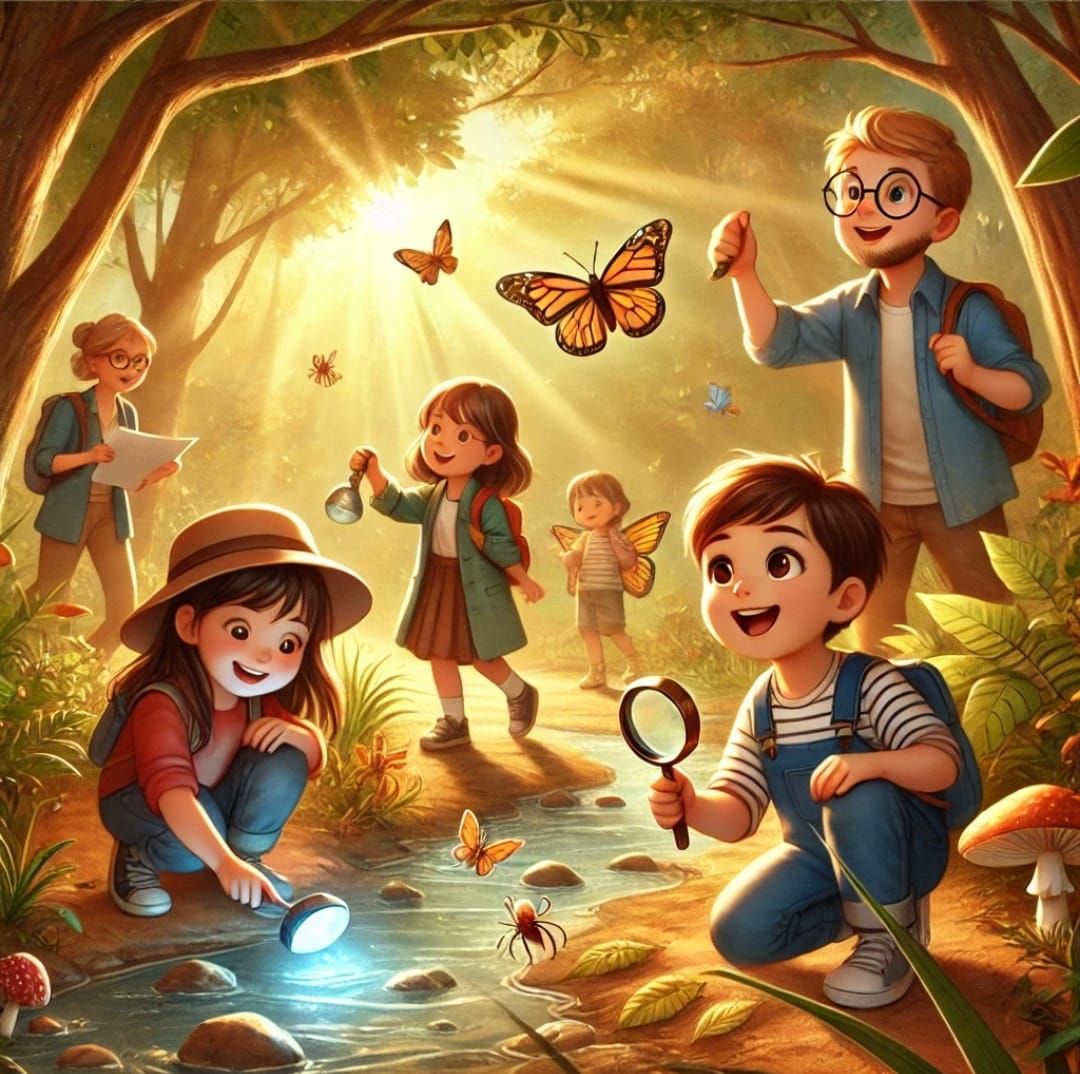
Outdoor Nature Exploration
The outdoors offers endless learning opportunities for curious toddlers.
Activities to Try
- Collect leaves
- Observe birds
- Search for flowers
- Watch insects
- Take nature walks
Enjoying this article?
Receive one research-backed parenting tip every Friday.
Talk about what you see to build vocabulary and encourage observation skills.
Benefits
- Promotes physical activity
- Develops curiosity
- Encourages scientific thinking
- Supports sensory development
Pretend Play
Imaginative play is essential for cognitive and social development. Two-year-olds enjoy copying adult behaviors and acting out everyday situations.
Pretend Play Ideas
- Play kitchen
- Toy doctor kits
- Baby dolls
- Grocery store games
- Dress-up activities
Benefits
- Builds communication skills
- Encourages creativity
- Supports emotional development
- Strengthens social understanding
Shape Recognition Activities
Learning shapes helps toddlers understand how objects relate to one another.
Fun Shape Activities
- Shape sorters
- Shape scavenger hunts
- Drawing simple shapes
- Matching games
Point out shapes throughout the day in signs, toys, and household objects.
Benefits
- Improves visual discrimination
- Supports early math skills
- Enhances problem-solving abilities
Water Play Learning
Water activities provide both entertainment and educational value.
Ideas for Water Play
- Pouring water between cups
- Floating and sinking experiments
- Washing toy animals
- Scooping water with different tools
Always supervise water play closely.
Benefits
- Develops fine motor skills
- Introduces scientific concepts
- Improves concentration
- Encourages sensory exploration
Counting Activities
Although most 2-year-olds are not ready for advanced math, they can begin learning number concepts through everyday experiences.
Simple Counting Opportunities
- Count steps while climbing
- Count toys during cleanup
- Count snacks at mealtime
- Count fingers and toes
Keep the experience fun and pressure-free.
Benefits
- Introduces basic math concepts
- Improves memory
- Develops number awareness
Dance and Movement Games
Physical movement is a vital part of toddler development.
Activities to Try
- Freeze dance
- Obstacle courses
- Follow-the-leader
- Animal movement games
Movement activities help toddlers release energy while learning body control.
Benefits
- Improves balance and coordination
- Builds strength
- Supports listening skills
- Encourages confidence
Matching Games
Matching activities strengthen memory and cognitive development.
Easy Matching Ideas
- Matching socks
- Picture card games
- Animal matching toys
- Color matching exercises
Start simple and gradually increase complexity.
Benefits
- Enhances memory
- Improves attention span
- Develops visual recognition skills
Everyday Learning Opportunities
Some of the best learning experiences happen during daily routines.
Include Your Toddler In
- Cooking
- Grocery shopping
- Laundry sorting
- Gardening
- Cleaning tasks
Narrating activities helps children learn new vocabulary and understand how the world works.
Benefits
- Builds practical life skills
- Encourages independence
- Expands language development
- Strengthens parent-child connections
Tips for Successful Toddler Learning Activities
To maximize learning while keeping activities enjoyable:
- Keep sessions short, around 10–15 minutes.
- Follow your child's interests.
- Offer encouragement rather than criticism.
- Allow exploration and experimentation.
- Focus on fun rather than perfection.
- Provide a safe learning environment.
Remember that every child develops at their own pace. The goal is to encourage curiosity, confidence, and a love of learning.
Final Thoughts
The best learning activities for 2-year-olds combine education with play. Whether reading books, exploring nature, building block towers, or singing songs, toddlers learn through hands-on experiences and meaningful interactions. These activities help develop essential cognitive, physical, social, and emotional skills while creating lasting memories for families.
By incorporating simple learning opportunities into everyday routines, parents can support healthy development and foster a lifelong love of discovery. The most important ingredient is not expensive educational products but consistent engagement, patience, and encouragement. With the right activities and a supportive environment, every day can become an exciting learning adventure for your 2-year-old.