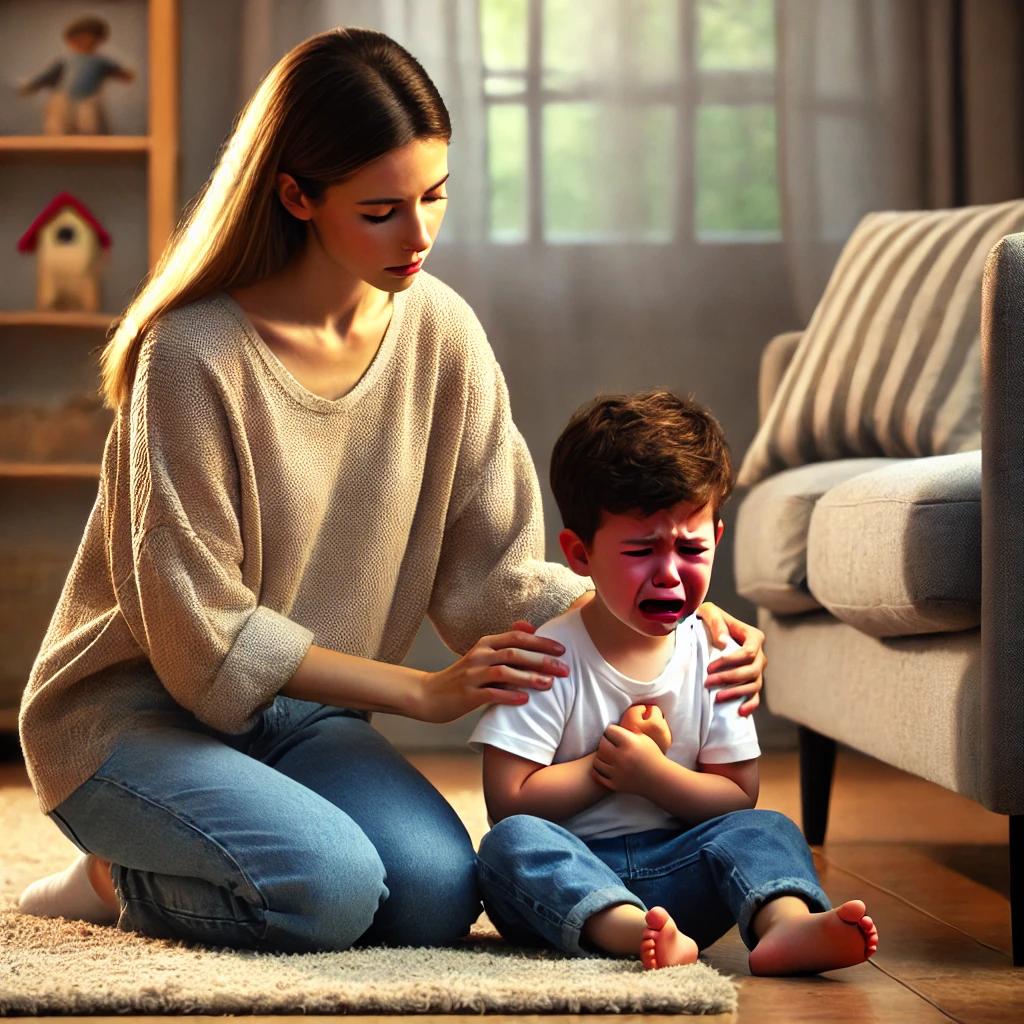


If your toddler has hit, pushed, or grabbed another child, it can feel alarming and even embarrassing. Many parents immediately worry that something is “wrong” or that their child is becoming aggressive.
The reality is that hitting in toddlers is a common developmental behavior. While it should always be addressed, it is rarely a sign of long-term aggression at this age.
Understanding why it happens is the first step to responding effectively and calmly.
Why Toddlers Hit
Toddlers don’t yet have the emotional regulation or communication skills needed to handle conflict the way older children or adults do. Hitting is usually a form of communication, not intentional harm.
Many of these behaviors overlap with broader emotional struggles, which is why some children also show intense reactions in other ways. If your child often becomes overwhelmed emotionally, it may help to understand why toddlers cry over everything and what it really means, since emotional overload often shows up in multiple behaviors.
They Don’t Have the Words Yet
Many toddlers hit because they cannot express frustration, excitement, or conflict verbally.
They Are Overwhelmed Emotionally
Big emotions like anger, frustration, or excitement can take over quickly. In those moments, physical reactions may happen before thinking.
This kind of emotional flooding is closely related to what parents see during tantrums. If your child frequently escalates into full emotional outbursts, you may also want to read how to handle toddler tantrums without yelling, since the underlying regulation skills are very similar.
They Are Testing Cause and Effect
Toddlers are learning how the world responds to their actions. They may not fully understand that hitting hurts others.
They Are Impulsive
Impulse control is still developing, which means reactions happen before thinking.
Is Hitting Normal?
In many cases, yes—especially between ages 1 and 3.
It does not mean your child is “bad” or aggressive by nature. However, it does mean they need consistent guidance to learn safer ways to express emotions and interact with others.
How to Respond in the Moment
Stay Calm but Firm
Reacting with anger or yelling can escalate the situation. A calm but clear response is more effective.
Stop the Behavior Immediately
Physically block or gently hold their hands if needed and say something simple like:
“Hands are not for hitting.”
Name the Emotion
Help them begin connecting feelings to language:
“You are mad,” or “You didn’t like that.”
Redirect Behavior
Offer an alternative:
“You can say ‘no’,” or “You can ask for help.”
What to Teach After the Moment Passes
Once your child is calm, brief teaching is more effective than discipline in the heat of the moment.
Keep it simple:
- “We don’t hit.”
- “Hitting hurts.”
- “Gentle hands.”
Toddlers learn through repetition, not long explanations.
Common Mistakes Parents Make
Enjoying this article?
Receive one research-backed parenting tip every Friday.
Overreacting Emotionally
Big reactions can reinforce attention-seeking behavior.
Ignoring It Completely
Hitting should always be addressed, even if it seems minor.
Long Lectures
Toddlers cannot process detailed explanations during emotional learning moments.
Labeling the Child
Avoid labels like “aggressive” or “bad,” which can affect how behavior is perceived long-term.
How to Prevent Hitting
Prevention is often more effective than correction.
Watch for Triggers
Common triggers include:
- Tiredness
- Hunger
- Overstimulation
- Frustration during sharing or turn-taking
Teach Simple Alternatives
Model phrases like:
- “My turn”
- “Help please”
- “I don’t like that”
Practice Gentle Hands
Reinforce calm touch during everyday interactions.
Stay Close During High-Risk Situations
Playgrounds, daycare pickup, and group play often require closer supervision.
When Should Parents Be Concerned?
Occasional hitting is developmentally normal. However, consider speaking with a pediatrician if:
- Hitting is frequent and intense
- Your child seems unable to calm down afterward
- There are delays in speech or communication
- Aggression increases over time instead of improving
- Your child hurts themselves or others regularly
The Bottom Line
A toddler who hits other children is not showing permanent aggression—they are showing a lack of emotional and communication skills that are still developing.
With consistent boundaries, calm responses, and repeated teaching, most children naturally outgrow this behavior as they learn better ways to express themselves.