

Wondering why your toddler cries over everything? Learn what frequent crying means, common developmental reasons behind it, and when parents should be concerned.
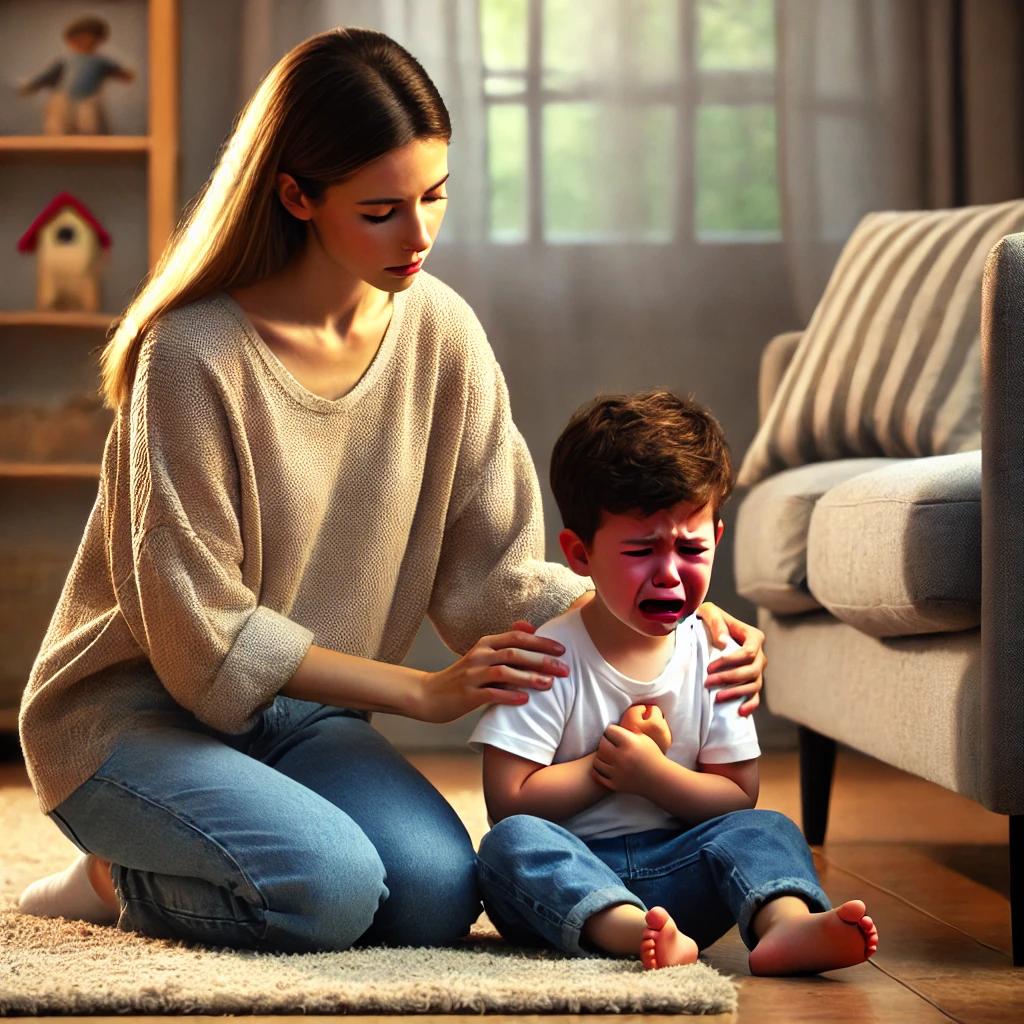
Does your toddler burst into tears over the smallest things? Maybe they cry because their toast was cut the "wrong" way, their favorite shirt is in the laundry, or you opened a snack they wanted to open themselves. If you're asking, "Why does my toddler cry over everything?" you're not alone.
Frequent crying is one of the most common concerns parents have during the toddler years. It can be frustrating, confusing, and emotionally draining—especially when the reason behind the tears doesn't seem to make sense.
The reassuring news is that, in most cases, crying is a normal part of toddler development. Rather than seeing every outburst as bad behavior, it helps to understand what those tears are really communicating.
Why Toddlers Cry So Often
Toddlers experience the world differently than adults. Their emotions are intense, their communication skills are still developing, and they have very little experience handling disappointment or frustration.
For a young child, even a small change in expectations can feel overwhelming. What looks like an overreaction to an adult may feel like a genuine problem to a toddler.
Crying is often their way of saying:
- "I'm frustrated."
- "I don't know how to tell you what I need."
- "Something feels different."
- "I'm overwhelmed."
Because toddlers can't always express these feelings with words, tears become one of their primary ways of communicating.
Their Emotions Are Bigger Than Their Coping Skills
One of the biggest reasons toddlers cry so frequently is that emotional development happens long before emotional control.
Young children can experience strong feelings such as anger, disappointment, excitement, fear, and frustration, but they haven't yet learned how to manage those emotions on their own.
Think of it this way: your toddler has big emotions but only a small emotional toolbox. They're still learning skills that older children and adults use every day, such as waiting patiently, calming down after getting upset, or handling disappointment without falling apart.
This learning process takes time and plenty of practice.
Common Reasons Your Toddler May Be Crying
Although every child is different, there are a few common reasons toddlers become tearful throughout the day.
Physical Needs
Sometimes the simplest explanation is the right one.
A hungry, tired, or uncomfortable toddler is much more likely to cry over situations they might otherwise handle well.
Many emotional meltdowns happen just before meals, nap time, or bedtime.
Frustration
Toddlers desperately want independence, but their abilities don't always match their ambitions.
Whether they're struggling to put on shoes, stack blocks, or explain what they want, frustration can quickly lead to tears.
Difficulty Communicating
Language develops rapidly during the toddler years, but there are still plenty of moments when children know what they want without having the words to explain it.
That communication gap often leads to crying.
Changes in Routine
Young children thrive on predictability.
Even small changes—like a different caregiver, a missed nap, or an unexpected errand—can make some toddlers feel unsettled.
Enjoying this article?
Receive one research-backed parenting tip every Friday.
Feeling Overwhelmed
Busy environments, loud noises, or too much excitement can sometimes overwhelm a toddler's developing nervous system.
When that happens, crying may be their way of coping with everything they're taking in.
Every Toddler Has a Different Personality
Not all toddlers respond to challenges in the same way.
Some children are naturally easygoing and recover quickly after becoming upset. Others are more emotionally expressive and may cry more often, even in situations that seem minor.
Temperament plays a significant role in how children experience and express emotions. A child who cries frequently isn't necessarily being dramatic or difficult—they may simply be more emotionally sensitive.
Understanding your child's unique personality can help you respond with greater patience and realistic expectations.
Crying Doesn't Always Mean Something Is Wrong
It's easy to assume frequent crying means something is wrong with your parenting or your child's development.
In reality, crying is a normal part of learning.
Each emotional experience gives your toddler an opportunity to build important life skills, including communication, self-control, and resilience.
Over time, as language improves and emotional regulation develops, most children naturally become better at expressing themselves without crying.
When Should Parents Be Concerned?
Although frequent crying is usually typical, there are situations where it's worth talking with your pediatrician.
Consider seeking professional advice if your toddler:
- Cries for long periods every day without an obvious reason.
- Appears to be in pain.
- Suddenly becomes much more emotional than usual.
- Shows delays in speech or communication.
- Stops meeting developmental milestones.
- Has significant changes in eating or sleeping habits.
These situations don't necessarily mean something serious is wrong, but they deserve a professional evaluation to rule out medical or developmental concerns.
What Parents Can Do
While you can't prevent every emotional outburst, you can create an environment that helps your toddler feel safe and supported.
Start by staying calm yourself. Young children often rely on their caregivers to help them regain emotional balance.
It's also helpful to acknowledge your child's feelings rather than dismissing them. Simple responses like, "I can see you're upset," let your child know they're being heard, even if you can't change the situation.
Finally, remember that emotional skills develop gradually. Every time you respond with patience and consistency, you're helping your toddler learn how to manage big feelings.
In upcoming articles, we'll take a closer look at specific challenges parents often face, including tantrums, constant whining, refusing to listen, saying "no" to everything, hitting, throwing objects in anger, and calming an overstimulated toddler.
The Bottom Line
If your toddler cries over what feels like everything, you're not alone—and your child probably isn't crying "just to be difficult."
Frequent crying is usually a reflection of a developing brain that's learning how to handle a world full of new experiences, strong emotions, and growing independence.
While these years can test any parent's patience, they also provide countless opportunities to teach emotional resilience. With time, support, and consistent caregiving, most toddlers gradually replace tears with words and develop healthier ways to express what they're feeling.