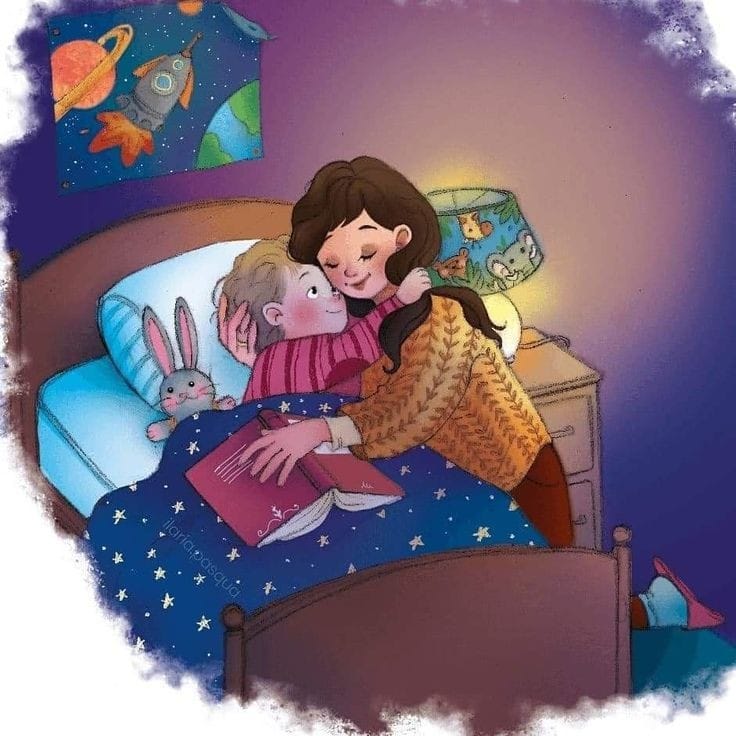


Hearing your toddler cry in the middle of the night can be unsettling, especially when they were sleeping peacefully just a few hours earlier. You may immediately wonder whether they are scared, uncomfortable, sick, or simply having a difficult night. Occasional crying during the night is not necessarily a sign that something is wrong. Toddlers can briefly wake between sleep cycles, become upset, and then settle again. The more useful question is why your child is waking upset and whether there is a pattern behind it. Understanding what may be happening can help you respond without turning every nighttime wake-up into a long period of being fully awake.
Why does my toddler wake up crying?
There is no single reason toddlers cry when they wake. Sometimes the cause is obvious, such as illness or discomfort. Other times, the child may simply wake between sleep cycles and have difficulty settling. Toddlers are also going through major developmental changes. They are becoming more independent, forming stronger preferences, developing imagination, and becoming increasingly aware of separation from their parents. These changes can sometimes show up at night.
A toddler who wakes crying one night may have an entirely different reason for crying another night. That is why looking at what happens before, during, and after the waking can be more helpful than assuming every episode has the same cause.
Your toddler may be waking from a dream
As children's sleep develops, dreams can sometimes contribute to nighttime distress. A toddler may wake frightened or confused after a disturbing dream and immediately look for a parent. If your child is clearly awake, recognizes you, wants comfort, and can eventually calm down, a dream may be one possible explanation. You do not necessarily need to find out exactly what your toddler dreamed about. A calm voice, reassurance that they are safe, and a brief return to the normal nighttime routine may be enough.
If your toddler regularly wakes frightened and seems to have intense episodes during sleep, however, it is worth paying attention to when the episodes happen and what your child is like during them. Nightmares and sleep terrors are not the same thing, and the distinction can sometimes be confusing for parents.
Separation can make nighttime waking harder
A toddler may wake, realize that you are not nearby, and become upset immediately. This can be particularly noticeable during periods when your child is becoming more aware of separation. They may call specifically for one parent, cry when you leave the room, or want you to stay until they fall asleep again.The crying does not necessarily mean your toddler has developed a new sleep problem. Sometimes the challenge is that they need reassurance before they can return to sleep.
A consistent response can help. Check that your child is safe and comfortable, reassure them calmly, and avoid turning the middle of the night into a long conversation or play session. If your toddler is especially distressed about being alone at bedtime as well as during nighttime waking, the issue may be broader than the waking itself.
Discomfort can wake a sleeping toddler
Sometimes crying is your child's way of communicating that something feels wrong. A stuffy nose, fever, cough, wet diaper, uncomfortable clothing, room temperature, or another physical problem can interrupt sleep. Teething discomfort may also make some children more unsettled.
Before treating the waking as a behavioral sleep issue, consider whether your toddler could simply be uncomfortable. You do not need to conduct a lengthy inspection every time your child makes a sound. But if the crying is unusual for your child, sounds painful, or comes with other signs of illness, it makes sense to check on them. If your toddler seems sick or unusually uncomfortable, dealing with the underlying problem comes before worrying about sleep habits.
Being overtired can sometimes make nights harder
A toddler who has not had enough sleep may not necessarily sleep more peacefully. Being overtired can make it harder for some children to settle and may contribute to more disrupted sleep. This is one reason it can be useful to look at your child's entire 24-hour sleep pattern rather than focusing only on the nighttime crying. Toddlers ages 1–2 generally need 11–14 hours of sleep in 24 hours, including naps.
If your toddler's nap has recently changed, or they have started resisting daytime sleep, the nighttime crying may be connected to a larger change in their sleep schedule. For a closer look at that transition, see when do toddlers stop napping?.
Enjoying this article?
Receive one research-backed parenting tip every Friday.
Sometimes your toddler is simply between sleep cycles
Not every nighttime cry means your child was fully awake. Children can make noises, whimper, cry briefly, or call out while moving between stages of sleep. Some may settle without much help, while others wake completely and need reassurance.
This is why it can be useful to pause briefly when you hear a small amount of crying rather than immediately assuming your toddler needs to get out of bed. If the crying continues or becomes more distressed, check on your child. But if your toddler occasionally makes a noise and then settles, there may be nothing that needs fixing.
What should you do when your toddler wakes crying?
Your response can depend on how distressed your child seems. If your toddler is mildly upset, give them a moment to see whether they settle. If they continue crying, go in calmly and check that they are safe and comfortable.
Keep the interaction quiet and predictable. You might say, “You're okay. It's nighttime. I'm here.” Then help your child return to their normal sleep environment. The goal is not to ignore genuine distress. It is to provide reassurance without accidentally turning every waking into a new nighttime routine. The American Academy of Pediatrics also recommends a consistent bedtime routine and emphasizes giving children opportunities to learn how to return to sleep after waking.
Try not to make nighttime more stimulating
It can be tempting to turn on bright lights, offer toys, start talking about the day, or bring your toddler into the living room when they wake crying.
Sometimes this is necessary if your child is sick or genuinely needs something. But when there is no obvious problem, keeping nighttime quiet can make it easier for your child to understand that waking does not mean the day has started. Keep lights low, use a calm voice, and avoid unnecessary activity. Once your toddler is reassured, give them the opportunity to settle again.
If your child also struggles to settle at the beginning of the night, the underlying issue may involve bedtime rather than nighttime crying alone. Our guide on why won't my toddler sleep at night? focuses specifically on bedtime resistance.
When should you be concerned?
An occasional crying episode is usually different from a persistent pattern that is disrupting your child's sleep. Talk with your child's pediatrician if nighttime crying is frequent and difficult to manage, seems connected to pain or illness, or occurs alongside symptoms that concern you. It is also worth discussing persistent sleep problems if your child regularly seems excessively tired during the day.
Pay attention to changes from your child's normal behavior. A toddler who suddenly begins waking repeatedly and crying intensely may need a closer look, particularly if there are other physical or behavioral changes. You do not need to diagnose the cause yourself. Your pediatrician can help determine whether the pattern appears to be a normal sleep disruption or whether another issue may be contributing.
A crying toddler does not always mean a sleep problem
When your toddler wakes crying, it is natural to assume something has gone wrong. But nighttime crying can have many explanations, from a bad dream or separation to discomfort or simply waking between sleep cycles. Start by checking the obvious: Is your child safe, comfortable, and otherwise well? If they are, keep your response calm and predictable and give them the chance to settle again.
What matters most is the overall pattern. One difficult night does not necessarily mean your toddler has developed a sleep problem. But if crying becomes frequent, intense, or connected with other concerning symptoms, it is reasonable to look more closely. And if the crying is happening alongside repeated nighttime awakenings, that is a slightly different problem. Our guide to why does my toddler keep waking up at night? looks specifically at the causes of frequent night waking and what parents can try.